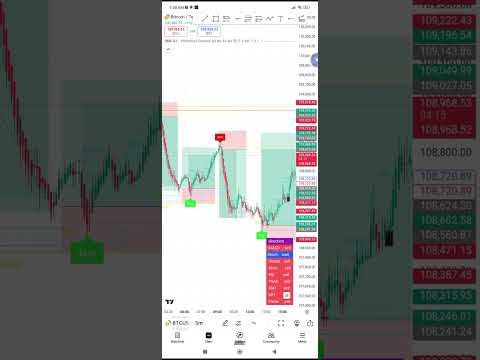
How to Start Trading in India: A Practical Step‑by‑Step Guide
Understanding What It Means to Start Trading
Before you dive into any market, it’s essential to know exactly what “start trading” entails. Trading involves buying and selling financial instruments—such as stocks, currencies, commodities, or cryptocurrencies—with the aim of profiting from price movements. In the Indian context, the most popular markets are equities listed on NSE and BSE, the forex market for currency pairs, commodity futures on MCX, and the rapidly growing crypto segment.
Each market has its own regulatory framework, trading hours, and liquidity characteristics. For example, equity trading follows the SEBI guidelines and operates between 9:15 am and 3:30 pm IST, while forex trading is largely off‑exchange and runs 24 hours a day. Understanding these nuances helps you align your expectations with the realities of the Indian trading ecosystem.
Key Market Types to Consider
- Equities: Ownership stakes in Indian companies, suitable for long‑term investors and day traders alike.
- Forex: Currency pairs like USD/INR, offering high liquidity and the ability to trade around the clock.
- Commodities: Gold, silver, crude oil, and agricultural products traded on MCX.
- Cryptocurrencies: Digital assets such as Bitcoin and Ethereum, accessed via regulated exchanges.
Assessing Your Readiness and Setting Clear Goals
Starting a trading journey without a personal roadmap often leads to frustration. Begin by evaluating your financial situation, risk tolerance, and time commitment. Ask yourself how much capital you can afford to allocate without affecting essential expenses, and whether you’re comfortable with the possibility of losing that amount.
Next, define measurable objectives. Are you looking to generate supplemental income, grow a retirement nest‑egg, or simply learn market dynamics? Setting specific goals—such as “achieve a 10 % annual return after one year of consistent practice”—creates a benchmark for progress and helps you stay disciplined.
Choosing the Right Trading Platform
When you’re ready to pick the best trading platform, focus on features that align with your workflow. Look for an intuitive dashboard, real‑time market data, and reliable order execution. Integration with popular charting tools, automation APIs, and mobile apps can dramatically improve your efficiency.
Pricing structures vary: some platforms charge a flat monthly fee, others apply per‑trade commissions, and a few offer freemium models with limited features. Evaluate support options—24 / 7 chat, phone assistance, and educational resources—as well as security measures like two‑factor authentication and data encryption. A platform that balances cost, reliability, and scalability will serve both beginners and future power users.
Setting Up Your Account and Funding It
The onboarding process for Indian traders typically involves KYC verification, linking a bank account, and selecting your preferred order types. Submit PAN, Aadhaar, and address proof to satisfy SEBI regulations; most platforms now automate this step with an instant e‑KYC flow.
After approval, fund your account through NEFT, IMPS, UPI, or a direct bank transfer. Start with a modest amount that matches your risk appetite—many experts recommend risking no more than 2 % of your capital on a single trade. Keep a record of all deposits and withdrawals to simplify tax reporting at the end of the financial year.
Learning the Basics: Tools, Dashboard, and Automation
A modern trading dashboard consolidates price charts, order books, and account metrics in one view. Familiarise yourself with candlestick patterns, moving averages, and volume indicators—they form the core of most trading strategies. Most platforms also offer built‑in alerts that trigger via SMS or push notification when a price level is reached.
If you prefer a hands‑off approach, explore automation options. Simple rule‑based bots can execute stop‑loss and take‑profit orders automatically, reducing emotional interference. While full‑scale algorithmic trading requires programming knowledge, many platforms now provide drag‑and‑drop workflow builders that are accessible to non‑technical users.
Building a Simple Trading Workflow
Effective trading hinges on a repeatable workflow. Start with market research, move to analysis, then place the trade, and finally review the outcome. Below is a concise checklist you can adopt the first time you start trading:
- Identify a market‑moving news event or technical signal.
- Validate the signal on multiple timeframes using your preferred indicators.
- Determine entry, stop‑loss, and target levels based on risk‑reward ratios.
- Execute the order through your platform’s dashboard.
- Monitor the trade and adjust stops if the market moves in your favour.
- Log the trade details for post‑trade analysis.
Integrating a news‑feed API or a price‑alert service can further streamline this workflow, allowing you to focus on decision‑making rather than data collection.
Managing Risk and Ensuring Security
Risk management is the backbone of sustainable trading. A common rule is the 1 %–2 % capital exposure per trade, which protects you from large drawdowns. Use stop‑loss orders to automatically exit a losing position, and consider position sizing calculators to keep exposure consistent.
Security should never be an afterthought. Choose platforms that enforce two‑factor authentication, encrypt data in transit, and store funds with regulated depositories. Regularly update passwords, avoid public Wi‑Fi for trading, and keep an eye on account activity reports for any unauthorized actions.
Monitoring Performance and Scaling Up
Tracking your results helps you identify strengths and gaps. Most dashboards provide built‑in performance analytics—such as win rate, average return per trade, and maximum drawdown. Use these metrics to refine your strategy before adding more capital.
As confidence grows, you may consider scaling up by diversifying across multiple asset classes or employing more sophisticated automation. Below is a quick comparison of typical performance indicators for beginners versus intermediate traders:
| Metric | Beginner (0‑6 months) | Intermediate (6‑24 months) |
|---|---|---|
| Average Win Rate | 45 % | 55‑60 % |
| Risk‑Reward Ratio | 1 : 1.2 | 1 : 1.8 |
| Monthly Return (after fees) | 2‑4 % | 6‑10 % |
| Maximum Drawdown | 15‑20 % | 8‑12 % |
Use this table as a benchmark, but remember that individual results can vary widely based on market conditions and personal discipline.
Common Mistakes to Avoid When You Start Trading
Even seasoned traders can fall into pitfalls, especially when they are just beginning. Overtrading—opening too many positions in a short period—often stems from the desire to “make up” for a loss and can quickly erode capital. Stick to your predefined risk limits and avoid chasing markets.
Another frequent error is neglecting proper research. Relying solely on tips from social media or unverified sources can lead to costly mistakes. Always validate information through reputable news outlets and corroborate technical signals with multiple indicators before committing funds.
Lastly, ignore the temptation to use excessive leverage. While margin can amplify profits, it also magnifies losses and may trigger margin calls. Begin with low‑leverage positions until you have a solid track record and confidence in your risk controls.
Putting It All Together: Your First Trading Day
When you feel prepared, schedule a dedicated “trading day” to apply the steps you’ve learned. Start by reviewing the economic calendar for upcoming events, then scan your chosen market for viable setups. Follow your workflow checklist, execute the trade, and record the outcome in a journal.
After the market closes, spend time analysing what went well and what didn’t. This reflective practice turns each trade into a learning opportunity, paving the way for continuous improvement. With disciplined execution, the right platform, and a focus on risk, you’ll be well on your way to a sustainable trading journey.